Get Industrial Fence Installation
Local contractors offer industrial fence installation services to secure properties, define boundaries, and support projects like warehouses, factories, or construction sites.
Industrial fence installation is a practical solution for property owners seeking to enhance security, define boundaries, or improve privacy on their premises. Whether for commercial facilities, manufacturing sites, or storage yards, a well-constructed fence can serve as a durable barrier that meets specific operational needs. Exploring local contractors who specialize in industrial fencing can help ensure the project is planned effectively, with options tailored to the property's requirements and the environment.
When considering industrial fencing projects, property owners often compare different local service providers to find the best fit for their needs. Evaluating available options allows for a better understanding of the services offered, the quality of materials used, and the experience of contractors in handling similar projects. Continuing to explore these choices can help in making an informed decision about how to best secure and define a property’s perimeter.
- Security fencing - needed when businesses or property owners want to secure their premises against unauthorized access.
- Perimeter fencing - required for defining property boundaries and preventing trespassing around industrial sites.
- Industrial chain link fencing - suitable for factories and warehouses requiring durable and cost-effective enclosure solutions.
- Privacy fencing - used when privacy is a priority for outdoor industrial workspaces or storage areas.
- Custom fencing solutions - sought after for unique site requirements or specific aesthetic and functional preferences.
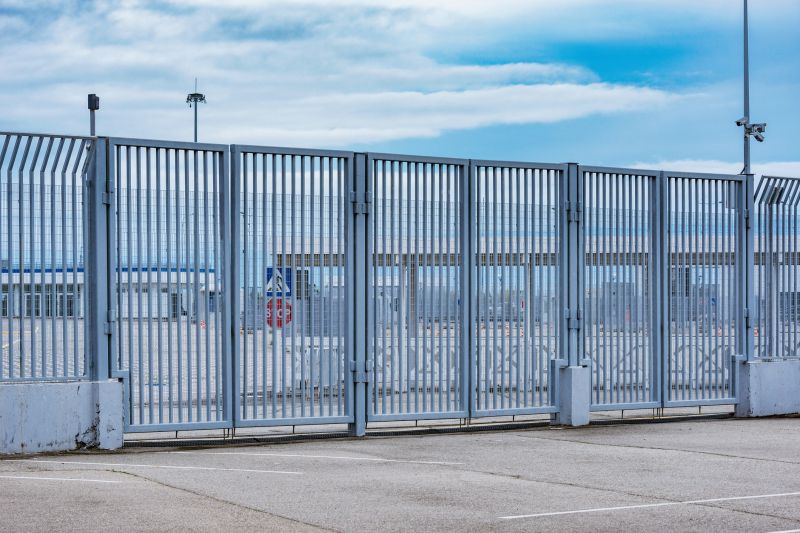
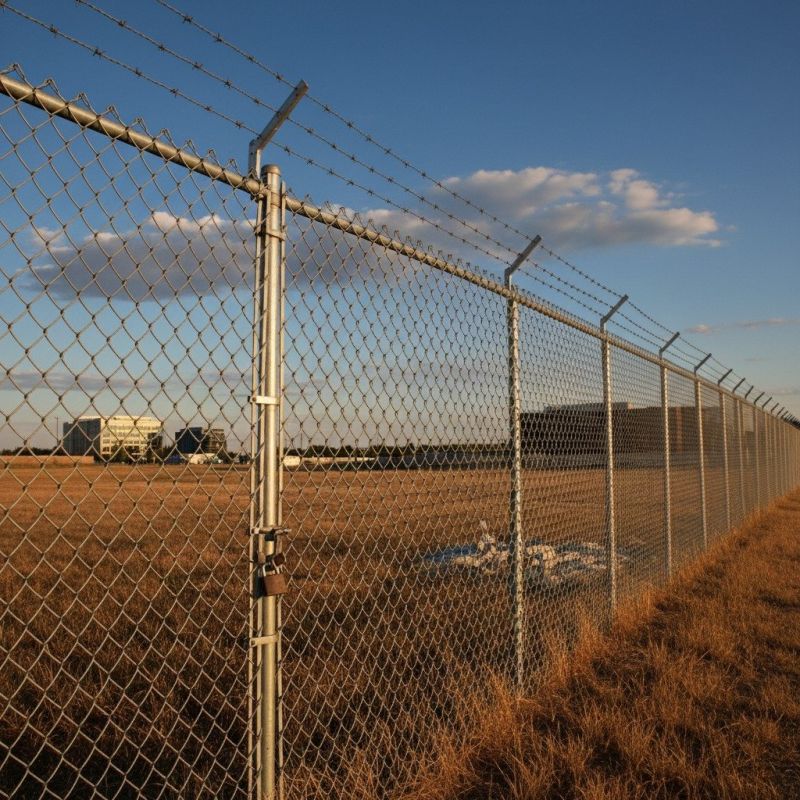
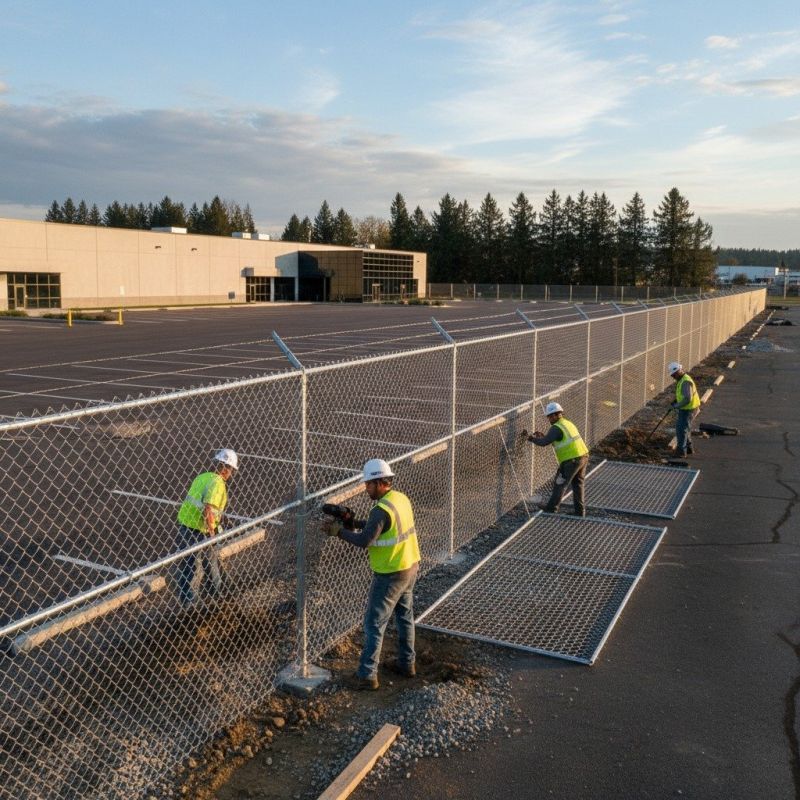
Industrial fence installation services involve the design, placement, and assembly of durable fencing solutions tailored to meet the needs of commercial, industrial, and large-scale properties. These services typically include selecting appropriate fencing materials, preparing the site, and installing fences that provide security, privacy, and boundary definition. Experienced service providers ensure that fences are installed correctly and securely, often working with various types of fencing such as chain-link, steel, or barbed wire, depending on the specific requirements of the property.
This type of fencing helps address common problems faced by property owners, such as unauthorized access, theft, and vandalism. It also helps contain equipment, livestock, or other assets within a designated area, reducing the risk of accidents or trespassing. Industrial fences can serve as a physical barrier that deters unwanted visitors while also establishing clear property boundaries. For properties that require heightened security measures or protection from external threats, professional fence installation offers a reliable solution to enhance safety and control access.
Properties that typically utilize industrial fencing include manufacturing plants, warehouses, storage facilities, commercial complexes, and large agricultural operations. These properties often need fences that are robust enough to withstand harsh weather conditions and potential impacts, as well as fences that can be integrated with security features like surveillance cameras or lighting. Additionally, industrial fencing is suitable for properties with extensive outdoor spaces where perimeter security and boundary marking are priorities.
Homeowners who own large properties, farms, or estates may also find industrial fencing services useful when they need to secure livestock, protect gardens, or create private outdoor areas. In these cases, the fencing provides a practical solution to manage outdoor spaces and prevent animals from wandering or intruders from entering. By working with local contractors experienced in industrial fence installation, property owners can find options that meet their specific needs for security, privacy, and property management.
The overview below groups typical Industrial Fence Installation projects into broad ranges so you can see how smaller, mid-sized, and larger jobs often compare in your area.
In many markets, a large share of routine jobs stays in the lower and middle ranges, while only a smaller percentage of projects moves into the highest bands when the work is more complex or site conditions are harder than average.
Smaller Repairs - Typical costs for minor fence repairs, such as replacing a few panels or fixing gates, generally range from $250-$600. Many routine repairs fall within this middle range, depending on the extent of the damage and materials used.
Standard Fence Installation - Installing a new fence for a standard-sized property usually costs between $1,500 and $4,000. Local contractors often complete these projects within this range, though larger or more complex setups can reach higher prices.
Full Fence Replacement - Replacing an entire existing fence can cost from $3,000 to $8,000 or more, depending on the length, height, and materials selected. Larger, more intricate projects tend to push into the higher end of this spectrum.
Custom or High-Security Fences - Specialty fences, such as those with custom designs or added security features, often start around $5,000 and can exceed $10,000 for extensive or complex installations. Fewer projects fall into this high-tier range, but costs vary based on specifications.
Actual totals will depend on details like access to the work area, the scope of the project, and the materials selected, so use these as general starting points rather than exact figures.
Perimeter Security Fencing - local contractors who install fences around commercial or industrial properties to enhance security and define boundaries.
Warehouse Enclosure Projects - service providers experienced in constructing fencing solutions to secure storage areas and restrict access points.
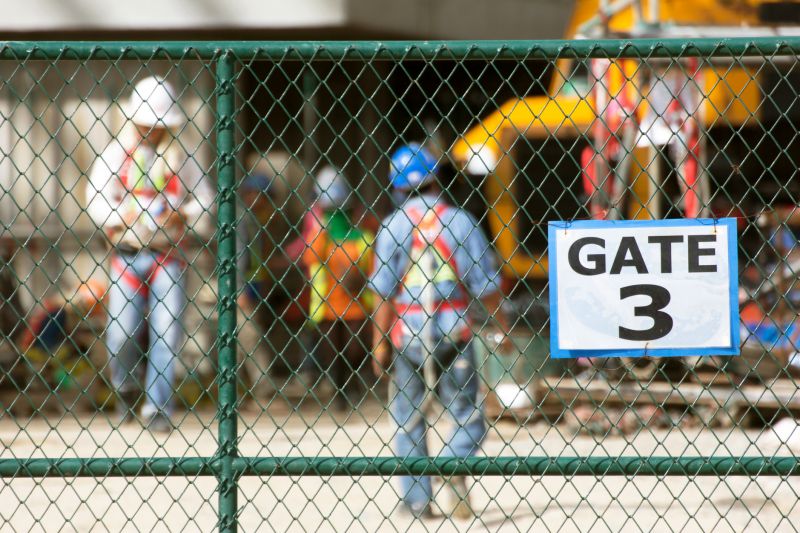
Construction Site Fencing - local pros who set up temporary or permanent fencing to protect construction zones and ensure safety compliance.
Agricultural Fence Installation - contractors skilled in installing durable fencing for farms, livestock, and agricultural facilities.
Parking Lot Barrier Fencing - service providers who install fencing to organize parking areas and control vehicle access.
Industrial Gate Systems - local specialists capable of integrating fencing with secure gate mechanisms for controlled entry points.
When comparing local contractors for industrial fence installation, it’s important to consider their experience with projects similar in scope and complexity. A contractor’s background in handling industrial fencing can provide insight into their familiarity with the specific requirements and challenges of such work. Homeowners should inquire about the types of projects they have completed and seek out those with a proven track record of successful installations in similar environments, ensuring that the contractor understands the standards and standards relevant to industrial fencing.
Clear and detailed written expectations are essential when evaluating potential service providers. Homeowners are encouraged to request comprehensive proposals that outline the scope of work, materials to be used, and any relevant specifications. Having this information in writing helps prevent misunderstandings and provides a basis for comparing different contractors’ offerings. A professional contractor will be transparent about their process and provide documentation that clarifies what will be delivered, making it easier to make an informed decision.
Reputable references and effective communication are key indicators of a reliable service provider. Homeowners should ask for references from previous clients who had similar projects completed and follow up to learn about their experiences. Good communication throughout the process-such as responsiveness to questions and clarity in discussing project details-also reflects a contractor’s professionalism. While the site introduces homeowners to local options, it emphasizes the importance of selecting service providers known for their experience, transparency, and ability to communicate effectively, ensuring a smoother installation process.
Property owners use Industrial Fence Installation services for practical projects around their homes and businesses. This guide focuses on everyday jobs and straightforward project options.
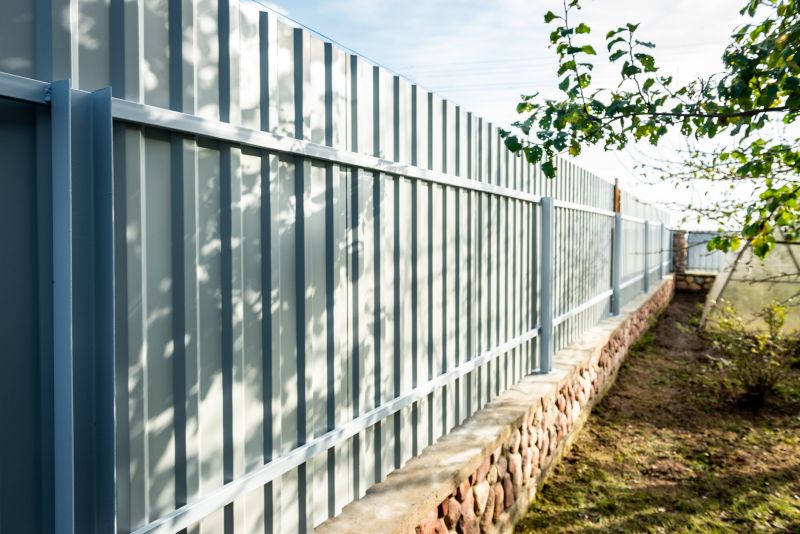
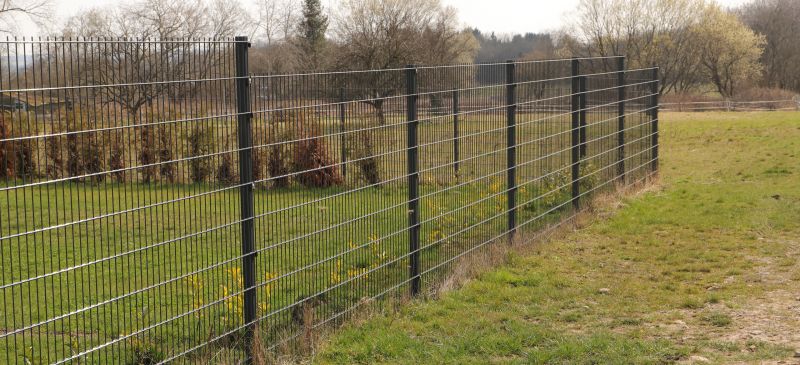
Industrial fence installation is a common project for property owners seeking to secure their facilities, define property boundaries, or create restricted access areas. Whether it's a manufacturing site, warehouse, or storage yard, local contractors can provide solutions that help keep equipment, inventory, and personnel safe. These projects often arise from the need to prevent unauthorized entry, control movement within the property, or meet safety and security regulations.
Property owners in the area may also look for industrial fencing to improve privacy or to establish clear demarcations around large commercial spaces. Local service providers are equipped to handle a variety of fencing materials and styles suited for industrial environments. Connecting with experienced contractors can help ensure the installation meets the specific needs of the property, providing a durable and effective barrier.
What types of industrial fences are available for installation? Local contractors offer a variety of industrial fencing options, including chain-link, steel, aluminum, and barbed wire fences, to suit different security and boundary needs.
Can industrial fences be customized to fit specific site requirements? Yes, service providers can customize fence height, length, and design features to match the unique specifications of each industrial property.
What are common applications for industrial fencing? Industrial fences are typically used for perimeter security, property demarcation, access control, and safety barriers around manufacturing facilities, warehouses, and construction sites.
Are there different materials used for industrial fence installation? Yes, local contractors work with materials such as galvanized steel, aluminum, and chain-link mesh to provide durable and long-lasting fencing solutions.
How do local service providers ensure the quality of industrial fence installation? Contractors follow industry standards and best practices to ensure secure, sturdy, and reliable fencing that meets the functional needs of industrial sites.
Perimeter Security - Property owners can install fences to secure their boundaries and prevent unauthorized access around homes or commercial sites.
Animal Containment - Fences can be used to safely enclose pets or livestock, ensuring they stay within designated areas.
Privacy Enhancement - Installing fences provides privacy from neighbors or passersby, creating a more secluded outdoor space.
Construction and Renovation Projects - Contractors can set up temporary fencing to secure construction zones and protect ongoing work.
If you are thinking about Industrial Fence Installation for a property, this guide is meant to help you understand the work, the typical project types, and how different options might fit your plans.
When you are ready, you can use the quote form on this page to share a few details about your project. From there, local pros can review the basics and respond with options that match what you have in mind.